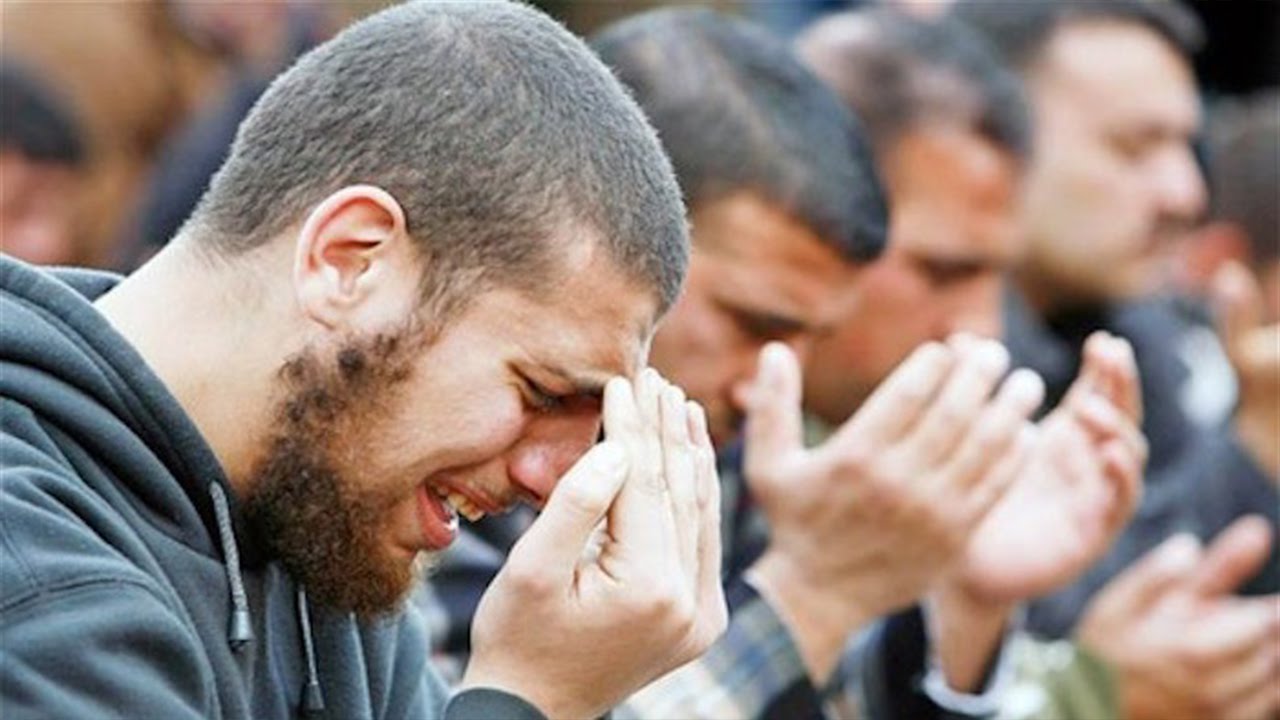
Meet Hijarbie – America’s Barbie gets Muslim makeover
 Meet Hijarbie – America’s Barbie gets Muslim makeover
Has Barbie converted to Islam? Mattel’s iconic doll Barbie already comes in seven skin tones, 22 eye colors, a variety of hair styles and four different body shapes. Now, thanks to an enterprising 24-year-old Nigerian Muslim woman, Barbie is Shariah-compliant. “It’s about having a doll that looks like her, that represents her own cultural and religious… (more…)

Americans are ‘being betrayed by their own president’
Americans are ‘being betrayed by their own president’
President Obama boards Marine One (Photo: White House) The Obama administration is ordering Border Patrol agents to release illegal immigrants without making them appear in court or keeping track of their whereabouts, and it’s also dramatically rolling back aerial surveillance along the southern border, leading a senior congressman to suggest the public is unaware it is… (more…)
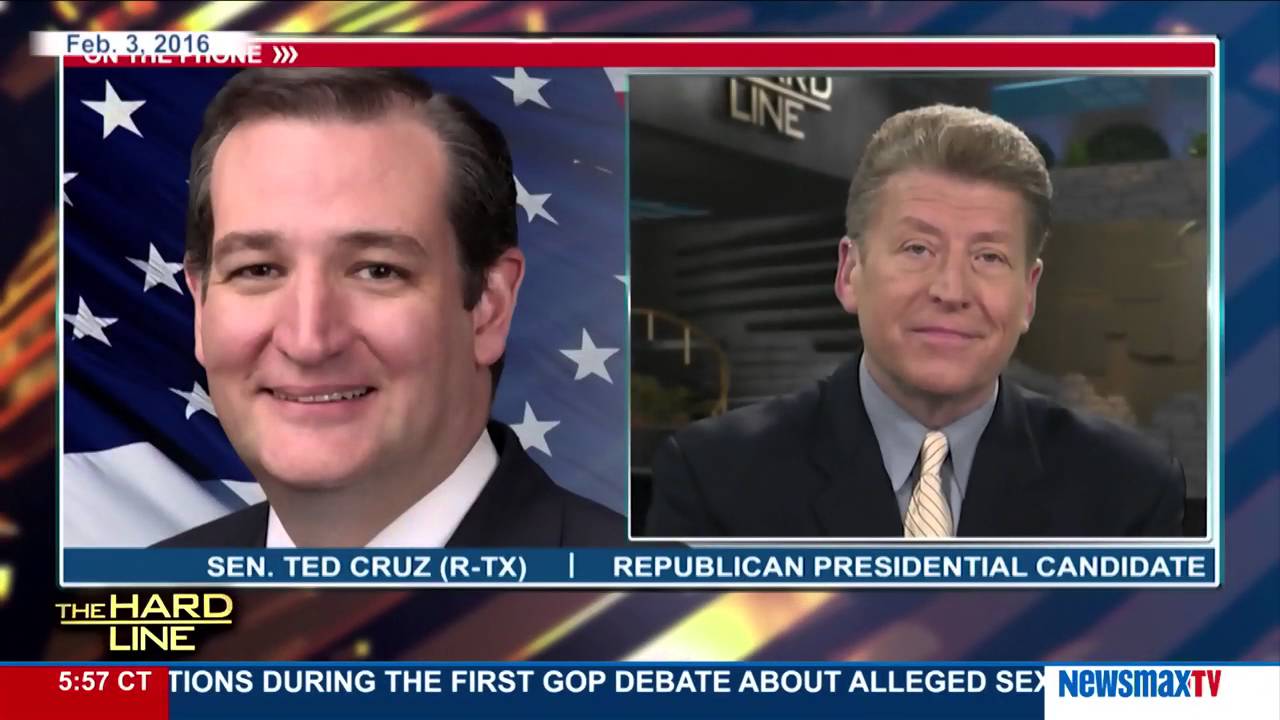




GOP misses opportunity in Iowa — again. LATINO WINS!!! LATINO WINS!!! LATINO WINS!!! LATINO WINS!!! REPUB, TOO!!!
GOP misses opportunity in Iowa — again
Sometimes I wish I could stomach being a Democrat. Why? Not because I believe in any of their policies, but because they know how to win elections and drag the country into socialism with every chance they get, hence the word “progressive.” The first Latino presidential candidate ever to win the Iowa caucus happened to be… (more…)
Articles: Is This Election a Last Hurrah?

February 6, 2016
Is This Election a Last Hurrah?
By John Horvat II
Many are attempting to make sense out of the present election cycle and especially the appearance of unconventional political outsiders that are dominating the headlines and in some cases the polls.
Everyone seems to agree that the system doesn’t work anymore. It’s broken and no one knows how to fix it. However, this election season is different because the debate on the two fringes is not about how to fix the system, but rather if we should fix it at all.
It is a perplexing problem. After all, the system has worked quite well over the decades. It has given us prosperity and freedom; abundance and entertainment. Even considering the present state of affairs, things could be much worse from a political and economic perspective. And yet there is discontent.
The discontent comes from the fact that the cooperative structures of our union are breaking down. People sense this and it is becoming unsustainable.
From the beginning, our republic developed a system that has functioned much the same way as a farm co-op, in which membership conferred many legitimate benefits, with distributed risks, voting privileges, few liabilities, and plenty of fun and recreational opportunities. There are certain internal contradictions within the system that are hard to balance but the idea is that everyone must get along if we are to prosper.
To deal with these internal tensions, the founders of our national co-op started out with a few general rules that keep it going. They insisted upon a vague moral code that keeps everyone honest. They imposed upon themselves a certain amount of self-discipline and hard work to keep things running.
The system worked fine until many people started breaking the co-op rules, denying the moral code and resenting the call for discipline. To deal with mounting chaos and disorder, those in our co-op system enacted more rules to keep order — many more rules — so many, in fact, that it made it almost impossible for anyone to get things done. At the same time, they watered down the moral code and discipline with a stifling system of political correctness that accommodates the prevailing moral laxity and suffocates any dissent. Unsurprisingly, people aren’t getting along anymore.
As a result, people are frustrated and angry. The co-op that used to be a kind of materialistic paradise has now become a straightjacket. The co-op is, so to speak, not paying out dividends but causing anxiety, depression, and stress.
Voters are now looking for simple anti-establishment solutions saying: “Down with the system! Get us out of here! We don’t care how! Just get us out of here!”
It is a strange paradox because frustrated voters are not rejecting the prosperous society they once enjoyed under the co-op system. They may disagree a bit on the version they want. Some will tend more toward the moralistic fifties while others will favor the socialism dreamed of in the promiscuous sixties. However, they all want the old co-op back — but without the system of rules, codes, and discipline needed to sustain it.
Added to this surreal scenario is the fact that voters feel that society is falling apart around them — many crises loom on the horizon. This gives the moment a sense of urgency and desperation which makes voters willing to grasp on to those who promise to do away with the old system while bringing back all its benefits. In fact, the more fantastic the claim, the more alluring it is to them. They cheer on all who seek to break down the few remaining structures that keep a semblance of order in society.
The discontent is such that many are thinking: Why not take a gamble and just go for broke? Let’s shout out one last hurrah before the whole system breaks down! Let’s engage in a bit of wishful thinking, and maybe, just maybe, if we wish hard enough, someone can give us back our co-op dividends without any of the co-op’s hateful rules!
But is this really what the nation needs? We need to see that it is not only the system, but we ourselves who are broken — morally, politically and economically. We blame the overburdened system and not our disorders that created it. If we are to return to order, we must address these causes not just their effects. We should not risk everything on the desperation of one last hurrah.
John Horvat II is a scholar, researcher, educator, international speaker, and author of the book Return to Order, as well as the author of hundreds of published articles. He lives in Spring Grove, Pennsylvania where he is the vice president of the American Society for the Defense of Tradition, Family and Property.
Many are attempting to make sense out of the present election cycle and especially the appearance of unconventional political outsiders that are dominating the headlines and in some cases the polls.
Everyone seems to agree that the system doesn’t work anymore. It’s broken and no one knows how to fix it. However, this election season is different because the debate on the two fringes is not about how to fix the system, but rather if we should fix it at all.
It is a perplexing problem. After all, the system has worked quite well over the decades. It has given us prosperity and freedom; abundance and entertainment. Even considering the present state of affairs, things could be much worse from a political and economic perspective. And yet there is discontent.
The discontent comes from the fact that the cooperative structures of our union are breaking down. People sense this and it is becoming unsustainable.
From the beginning, our republic developed a system that has functioned much the same way as a farm co-op, in which membership conferred many legitimate benefits, with distributed risks, voting privileges, few liabilities, and plenty of fun and recreational opportunities. There are certain internal contradictions within the system that are hard to balance but the idea is that everyone must get along if we are to prosper.
To deal with these internal tensions, the founders of our national co-op started out with a few general rules that keep it going. They insisted upon a vague moral code that keeps everyone honest. They imposed upon themselves a certain amount of self-discipline and hard work to keep things running.
The system worked fine until many people started breaking the co-op rules, denying the moral code and resenting the call for discipline. To deal with mounting chaos and disorder, those in our co-op system enacted more rules to keep order — many more rules — so many, in fact, that it made it almost impossible for anyone to get things done. At the same time, they watered down the moral code and discipline with a stifling system of political correctness that accommodates the prevailing moral laxity and suffocates any dissent. Unsurprisingly, people aren’t getting along anymore.
As a result, people are frustrated and angry. The co-op that used to be a kind of materialistic paradise has now become a straightjacket. The co-op is, so to speak, not paying out dividends but causing anxiety, depression, and stress.
Voters are now looking for simple anti-establishment solutions saying: “Down with the system! Get us out of here! We don’t care how! Just get us out of here!”
It is a strange paradox because frustrated voters are not rejecting the prosperous society they once enjoyed under the co-op system. They may disagree a bit on the version they want. Some will tend more toward the moralistic fifties while others will favor the socialism dreamed of in the promiscuous sixties. However, they all want the old co-op back — but without the system of rules, codes, and discipline needed to sustain it.
Added to this surreal scenario is the fact that voters feel that society is falling apart around them — many crises loom on the horizon. This gives the moment a sense of urgency and desperation which makes voters willing to grasp on to those who promise to do away with the old system while bringing back all its benefits. In fact, the more fantastic the claim, the more alluring it is to them. They cheer on all who seek to break down the few remaining structures that keep a semblance of order in society.
The discontent is such that many are thinking: Why not take a gamble and just go for broke? Let’s shout out one last hurrah before the whole system breaks down! Let’s engage in a bit of wishful thinking, and maybe, just maybe, if we wish hard enough, someone can give us back our co-op dividends without any of the co-op’s hateful rules!
But is this really what the nation needs? We need to see that it is not only the system, but we ourselves who are broken — morally, politically and economically. We blame the overburdened system and not our disorders that created it. If we are to return to order, we must address these causes not just their effects. We should not risk everything on the desperation of one last hurrah.
John Horvat II is a scholar, researcher, educator, international speaker, and author of the book Return to Order, as well as the author of hundreds of published articles. He lives in Spring Grove, Pennsylvania where he is the vice president of the American Society for the Defense of Tradition, Family and Property.
Read more: http://www.americanthinker.com/articles/2016/02/is_this_election_a_last_hurrah.html#ixzz3zP77vqRu
Follow us: @AmericanThinker on Twitter | AmericanThinker on Facebook

‘Separation of church and state’ not what you think

seperation of church and stateimage: http://www.wnd.com/files/2014/07/140725separationchurchstate.jpg